|
The Forgotten |
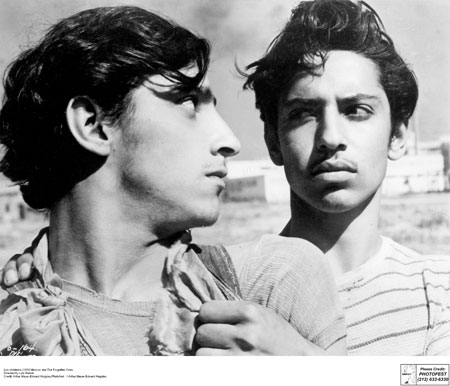
Five Luis Buñuel’s Masterpieces Nobody Should Miss Commemorating the airing of Luis Buñuel’s Death in the Garden, Eurochannel has selected five films we consider essential when it comes to understanding the director’s surrealism and aesthetics, as well as enjoying his greatest works. The Forgotten (1950) Perhaps the first Buñuel film to enjoy worldwide acclaim, The Forgotten (known in the U.S. as The Young and the Damned) tells a story of a never-ending cycle of poverty and despair. In the film, a group of juvenile delinquents live a violent and crime-filled life in the festering slums of Mexico City, and the morals of young Pedro are gradually corrupted and destroyed by the others. Acclaimed as a masterpiece, The Forgotten won Buñuel the Best Director Award at the Cannes Film Festival and was inscribed on UNESCO's "Memory of the World" Register in 2003 in recognition of its historical significance. Viridiana (1961) Winner of the Palme d’Or at the 1961 Cannes Film Festival, Viridiana is a movie about a young nun about to take her final vows, who pays a visit to her widowed uncle at the request of her Mother Superior. Loosely based on Halma, a novel by Spanish realist novelist Benito Pérez Galdós, Viridiana was regarded as a masterpiece by critics but also drew plenty of controversy. The government of Francisco Franco tried unsuccessfully to have the film withdrawn and banned its release in Spain, and the official newspaper of the Vatican, described it as "blasphemous." |
|
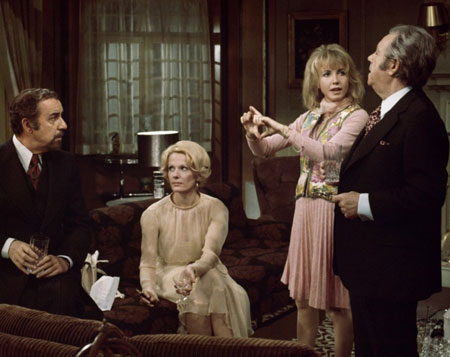
Belle de Jour (1967) Starring Catherine Deneuve, Jean Sorel, and Michel Piccoli, Belle de Jour was made during Buñuel’s French era. With its wordplayful title, as a "belle de nuit" ("lady of the night") is a prostitute in France, Belle de Jour tells the story of a frigid young woman who spends her weekday afternoons as a prostitute while her husband is at work. Considered as Buñuel's most successful and most famous surrealistic "classic,” the movie won the Golden Lion and the Pasinetti Award for Best Film at the Venice Film Festival in 1967. Many of Deneuve's costumes were designed by the famous designer Yves St. Laurent. Tristana (1970) Based on the eponymous novel by Benito Pérez Galdós, and starring Catherine Deneuve and Fernando Rey, Tristana tells the story of a young woman entrusted to the guardianship of the well-respected though old Don Lope after her mother dies. Don Lope falls in love with her, but when Tristana acts on this freedom, he must deal with the consequences of his world-view. Receiving positive critical reviews, the movie was nominated for the Academy Award for Best Foreign Language Film. The Discreet Charm of the Bourgeoisie (1972) Released in 1972, The Discreet Charm of the Bourgeoisie is one of the most surrealist films by Buñuel. Dealing with a series of dreams centered around six middle-class people and their consistently interrupted attempts to have a meal together, The Discreet Charm of the Bourgeoisie stars Fernando Rey, Paul Frankeur, and Delphine Seyrig, among other French talents of the era. The film was a critical and box-office hit in both Europe and the US, and received the Academy Award for Best Foreign Language Film and a nomination for Best Original Screenplay. |
|
Belle de jour
The Discreet Charm of the Bourgeoisie |