Blind Sun (France, 2015) by Eurochannel
|
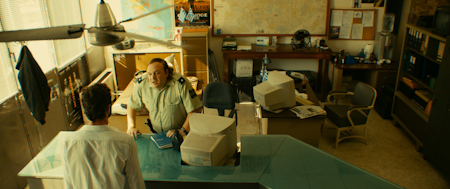
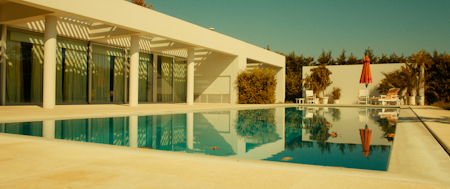
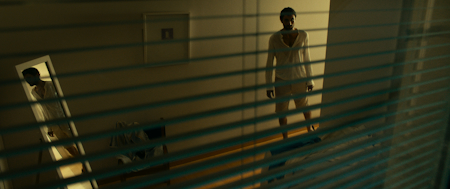
Behind the Lens: A Conversation with Joyce Nashawati on Blind Sun Burning Worlds: 4 Dystopian Films Where Climate Change Fuels the Tension Blind Sun (Blind Sun, 2015) Director: Joyce A. Nashawati Presentation: Under a sky that never clouds and a sun that never forgives, a man begins to unravel in a world where silence speaks louder than screams. Eurochannel premieres Blind Sun. In Blind Sun, the sun doesn’t just burn—it haunts. Set in a near-future Greece baking under an unrelenting heatwave, this slow-burn psychological thriller immerses viewers in a world where the heat is more than physical; it’s existential. Joyce A. Nashawati’s striking directorial debut takes what could have been a straightforward dystopian tale and transforms it into something eerily surreal and deeply political. The film follows Ashraf, a quiet, solitary immigrant from North Africa tasked with watching over a luxurious seaside villa while its wealthy owners vacation elsewhere. From the start, the tension is palpable. Greece is in the grip of a water crisis, and the air feels thick with anxiety and suspicion. Ashraf is an outsider, not just in a literal sense but in every glance, every police checkpoint, every bureaucratic demand. As the days stretch under the blistering sun, the villa becomes a mirage of safety, and Ashraf’s sense of reality begins to fracture. What makes Blind Sun so compelling is its uncanny ability to make the mundane feel threatening. The house creaks, shadows linger too long, and the oppressive silence says more than dialogue ever could. Nashawati draws us into Ashraf’s paranoia with surgical precision, blurring the line between the real and the imagined until we’re no longer sure if the danger is external or a symptom of mental collapse. But Blind Sun isn’t just a cerebral descent into madness—it’s a quiet howl against xenophobia, climate anxiety, and the fragility of order. Ashraf’s unraveling psyche becomes a metaphor for the alienation experienced by those society pushes to the margins. He’s legal, but never welcome. He’s working, yet never trusted. The sun, ever-present and merciless, feels like a force of judgment—a punishing spotlight on a man trying to stay invisible. Visually, the film is hypnotic. The Mediterranean light is harsh, the colors bleached and dry. George Lechaptois’ cinematography traps you in the stillness of each frame, forcing you to feel every drop of sweat, every unsettling noise. The minimal score, paired with a masterful use of silence, keeps the tension simmering long after the credits roll. Ziad Bakri delivers a haunting performance as Ashraf, saying little but conveying everything through haunted eyes and weary movements. His breakdown is subtle, tragic, and utterly believable. Blind Sun doesn’t offer easy answers—it lingers in your mind like a fever dream, asking uncomfortable questions about who we trust, who we fear, and how far a person can be pushed before reality splinters. Synopsis: Awards and festivals: |