|
Estonia on Screen: Exploring Films That Bring Baltic History to Life From windswept coastlines to the haunting quiet of its boglands, Estonia has long offered a landscape steeped in mystery and memory and cinema is beginning to uncover its depths. In The Name of Honor, directed by Ergo Kuld, is a recent example of how Estonian filmmakers are using the country’s past to tell stories that resonate far beyond its borders. Set during a time of upheaval, when war and revolution pressed against the nation’s fragile identity, the film embodies the Baltic tradition of blending human drama with historical undercurrents, giving audiences a glimpse of how deeply personal stories intertwine with collective struggles. What makes Baltic cinema distinct is its ability to marry history with atmosphere. In In The Name of Honor, the bog is not just a backdrop but a living force, a symbol of both danger and resilience. This reflects a broader cinematic trend in the region, where landscapes often stand as metaphors for the inner lives of characters. Similarly, films like The Fencer (2015), which tells the story of a man fleeing Soviet persecution while shaping young lives through sport, use the quiet persistence of the northern environment to underline resilience in the face of overwhelming odds. These films don’t just recount events; they make the viewer feel the weight of history pressing down on individuals. |
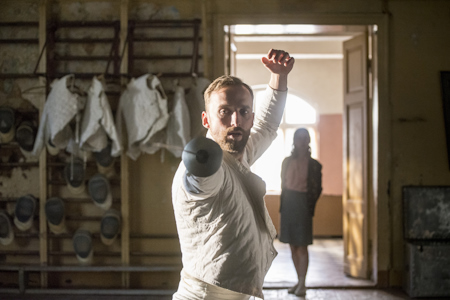
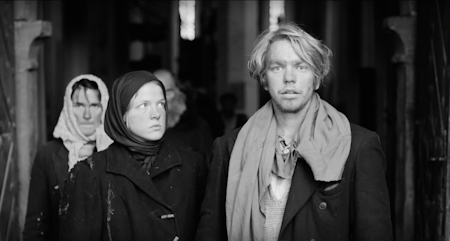
From windswept coastlines to the haunting quiet of its boglands, Estonia has long offered a landscape steeped in mystery and memory and cinema is beginning to uncover its depths. In The Name of Honor, directed by Ergo Kuld, is a recent example of how Estonian filmmakers are using the country’s past to tell stories that resonate far beyond its borders. Set during a time of upheaval, when war and revolution pressed against the nation’s fragile identity, the film embodies the Baltic tradition of blending human drama with historical undercurrents, giving audiences a glimpse of how deeply personal stories intertwine with collective struggles. What makes Baltic cinema distinct is its ability to marry history with atmosphere. In In The Name of Honor, the bog is not just a backdrop but a living force, a symbol of both danger and resilience. This reflects a broader cinematic trend in the region, where landscapes often stand as metaphors for the inner lives of characters. Similarly, films like The Fencer (2015), which tells the story of a man fleeing Soviet persecution while shaping young lives through sport, use the quiet persistence of the northern environment to underline resilience in the face of overwhelming odds. These films don’t just recount events; they make the viewer feel the weight of history pressing down on individuals. |
|
|