|
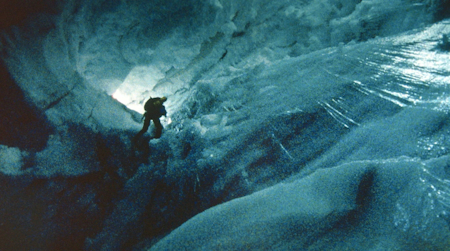
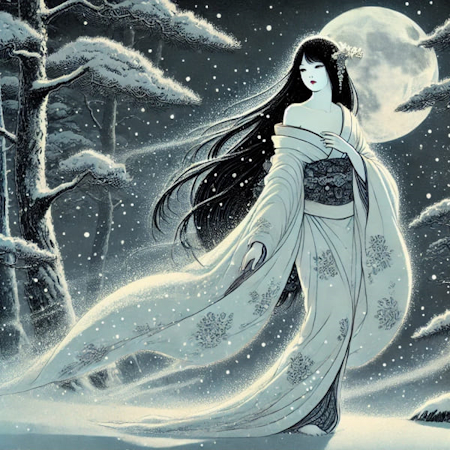
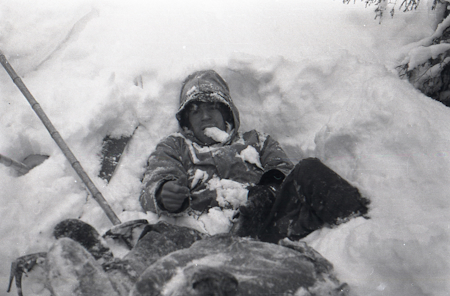
Ghosts of the Mountains: Folklore and Fear in Remote Places In Ghost Mountaineer, the snowy Siberian peaks seem alive with whispers, legends, and the weight of something unseen. The film taps into one of humanity’s oldest fascinations: the belief that remote, untamed places are not just landscapes, but haunted realms where folklore and fear intertwine. Mountains, especially those shrouded in mist and isolation, have always carried a certain mystique. They are places where the physical struggle to survive meets the psychological fear of what might be lurking just beyond sight. Across cultures, mountains have been seen as both sacred and cursed. In Tibetan traditions, peaks are homes to powerful spirits that demand respect from climbers and pilgrims alike. The Japanese tell tales of yuki-onna, the snow woman who appears during blizzards to lure travelers to their deaths. In the Alps, stories of ghostly wanderers and cursed slopes persist among locals who live close to nature’s edge. Such legends endure because they speak to the same primal truth: when humans venture into places where survival depends on instinct and luck, the mind fills the silence with stories of spirits and unseen forces. Cinema has long drawn from these beliefs, using mountains as settings for both awe and dread. In The Dyatlov Pass Incident, a group of hikers disappears in the Ural Mountains, their fate clouded by mystery and rumor. The film transforms a real-life tragedy into a supernatural riddle that still captures imaginations today. Similarly, The Ritual places a group of friends deep in the Scandinavian wilderness, where Norse mythology comes alive in unsettling ways. These stories remind us that nature’s beauty can easily turn sinister, especially when isolation strips away reason and the environment feels conscious of our intrusion. |
|
The appeal of these tales lies in their ambiguity. Are the ghosts real, or are they manifestations of guilt, fear, and exhaustion? Modern audiences may not believe in forest spirits or mountain demons, yet the tension they evoke feels timeless. Even films grounded in realism, like Everest or Touching the Void, evoke that same sense of spiritual unease, the feeling that the mountain itself is watching, judging, and deciding who gets to return home. When we step into the unknown, whether in life or in fiction, we bring our myths with us. The mountains do not speak, but in their silence, we hear echoes of every story ever told about what waits beyond the last ridge. |
|
|