|
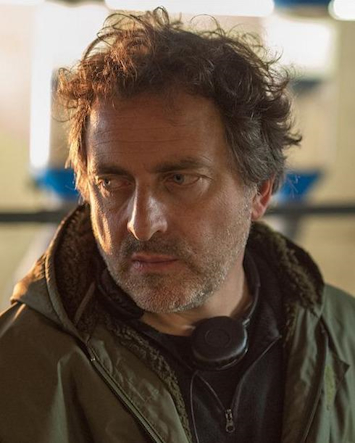
Interview with Orso Miret: Returning to the Screen with An Alibi
After six years of silence, acclaimed Corsican filmmaker Orso Miret returns with An Alibi, a gripping thriller. We sat down with the director to discuss his latest work and creative journey.
Your new film An Alibi marks the end of a six-year hiatus. What led to this break in your filmmaking?
I've proposed many projects for cinema and television, but everything was refused—that's the nature of this profession. I had developed a project about Corsica for public service television that never materialized. Then Compagnie Phares et Balises approached me with this beautiful screenplay, and I jumped at the opportunity.
Unlike your previous works, you didn't write this screenplay. How was the experience of directing someone else's story?
It was truly liberating. Normally I write my own stories, but with An Alibi, I was offered an already written fiction that I could immerse myself in while adapting it for television. I felt like a fish in water on set, working with an exceptional technical team.
Can you tell us about the plot of An Alibi?
It's a thriller that poses a fundamental question: Did Max kill his wife? Friends gather to celebrate a birthday, only to discover Max kneeling beside his murdered wife's body. Convinced of his innocence, they decide to provide him with An Alibi. But the film goes beyond the boundaries of a typical crime drama—it explores friendship, loyalty, and the fragility of testimony, placing us at the heart of human mystery.
|