|
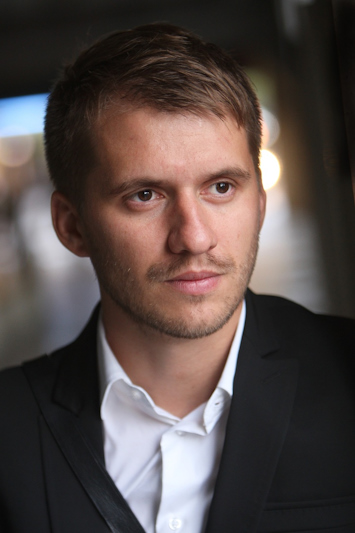
Interview with Rok Bicek: The Real Story Behind "Class Enemy"
Slovenian filmmaker Rok Bicek's debut feature "Class Enemy" drew from his own traumatic grammar school experience, transforming a real tragedy into a powerful exploration of youth rebellion and generational conflict. In this candid conversation, Bicek reveals the personal and political dimensions of his film.
What inspired you to make "Class Enemy"?
The story comes from a deeply personal place. When I was in grammar school, a third-year girl committed suicide, and it triggered a spontaneous rebellion by her classmates against the school system. Students lit candles on the stairs, read manifestos on the school radio, and boycotted classes. What fascinated me wasn't the suicide itself, but how the students used this personal tragedy to fuel their rebellion and how easily they blamed a professor who became their scapegoat.
How did you approach casting, particularly mixing professional and non-professional actors?
I was heavily influenced by the film "Ajami" and its approach to non-professional actors. We searched for characters among real secondary school students, looking for those who stayed in the background, not just the ones eager to perform. For the teacher Robert, I cast Igor Samobor but deliberately kept him away from the young actors during rehearsals. I wanted him to remain a stranger so they couldn't form friendly relationships that might affect their performances.
The character of Luka undergoes the most dramatic transformation. What drives him?
Luka represents those who settle scores after revolutions. He's the most frustrated student because he can't deal with losing his mother, so he channels that pain into rebellion against an apparent enemy. Emotionally wounded people often become insensitive and vengeful. His burden is the spark that ignites the fire – if the German teacher hadn't existed, he would have had to invent him.
|