|
Poets, Artists, and Obsession: Movies About Visionaries on the Edge
The Shadow delves into the turbulent mind of Juhan Liiv, an Estonian poet whose brilliance is intertwined with madness and inner turmoil. His struggle to navigate personal demons while confronting mysteries in a superstitious village embodies the intense, obsessive lives of creative visionaries. Cinema has long explored similar themes, portraying artists and thinkers whose passion and genius push them to the edge, often blurring the line between inspiration and obsession. These films capture the beauty, chaos, and danger of lives driven by unrelenting creativity.
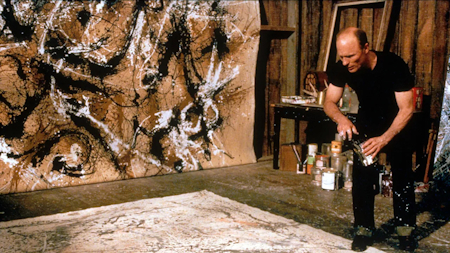
Pollock (2000)
Pollock chronicles the life of abstract expressionist painter Jackson Pollock, whose revolutionary art style changed the course of American painting. The film follows his obsessive dedication to his craft, his struggle with alcoholism, and his tumultuous relationship with fellow artist Lee Krasner. Pollock’s relentless drive to innovate often comes at a cost, straining personal relationships and testing the limits of his mental stability. The movie captures the intensity of his creative process, the chaos of his emotional world, and the thin barrier between artistic brilliance and self-destruction.
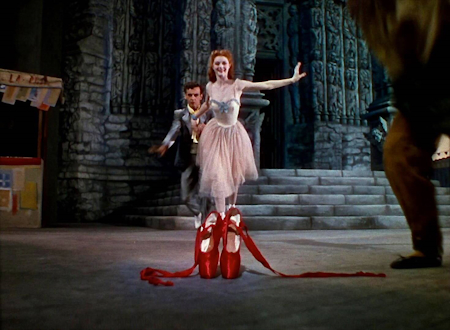
The Red Shoes (1948)
The Red Shoes focuses on a young ballerina, Victoria Page, whose passion for dance becomes all-consuming. Caught between her love for the composer Julian Craster and her dedication to her art, Victoria experiences the tension between personal desire and artistic ambition. The film portrays how obsession with perfection can become both inspiring and perilous, as Victoria’s single-minded commitment leads her into emotional turmoil and physical exhaustion. Its lush cinematography emphasizes the hypnotic allure of artistic obsession and the sacrifices required to pursue genius.
|