|
|
The Invisible Enemy: 4 Horror Films Where You Never See the Monster
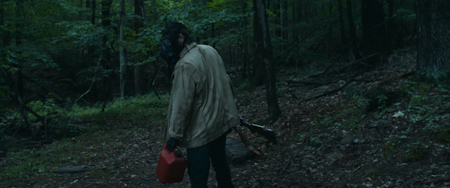
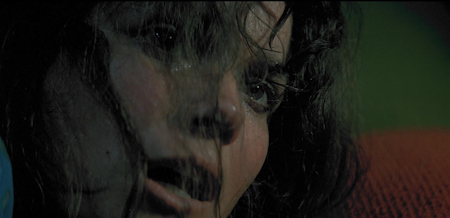
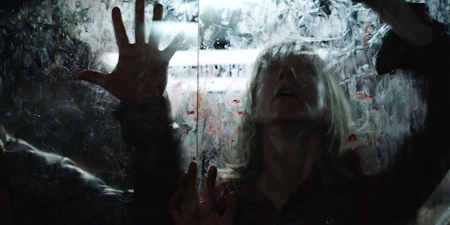
In The Horla, a man’s idyllic new life in the French countryside slowly unravels as he becomes convinced that an invisible force is haunting his home. Based on Guy de Maupassant’s seminal short story, the film masterfully blurs the line between madness and the supernatural. The entity tormenting Damien is never seen—but its presence is felt in every flicker of a light, every creak of a floorboard, every chilling silence. This kind of horror—where the enemy remains unseen—preys on our most primal fears. In honor of that eerie tension, here are four other films that terrify without ever showing their monster.
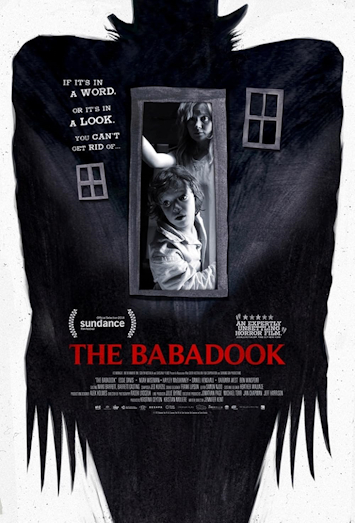
The Babadook (2014)
Jennifer Kent’s psychological horror tale centers around a grieving mother, her troubled son, and a sinister pop-up book that introduces them to the Babadook. As the mother’s mental state deteriorates, the malevolent presence begins to dominate their lives. Though glimpses of the Babadook’s silhouette and hints of his form appear, he is never fully revealed. Instead, the film relies on suggestion, sound design, and emotional unraveling to create a sense of mounting dread. The result is a deeply unsettling experience where the monster may be grief itself.
It Comes at Night (2017)
Set in a post-apocalyptic world plagued by an unknown contagion, It Comes at Night follows a family that has retreated into isolation to survive. When another family seeks refuge, paranoia takes root, and the threat outside becomes increasingly abstract. The film offers no concrete visuals of a monster or even a clear explanation of the disease. The horror lies in the unknown—and in the breakdown of trust and humanity. Tension builds not through action, but through silence, suspicion, and what might be lurking beyond the trees.
|