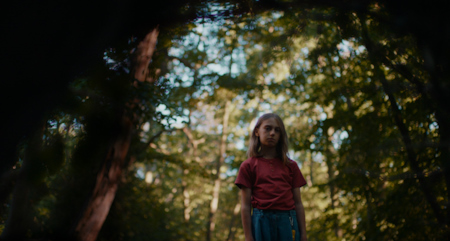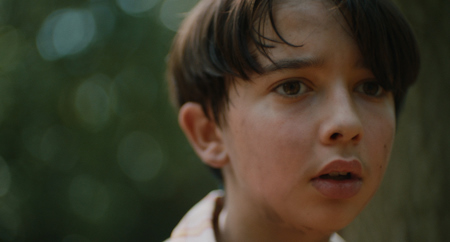
The Lost Children (Belgium, 2023) by Eurochannel
|
The Lost Children: An Interview with Director Michèle Jacob Not Just Haunted: Films Where the House Is a Psychological Maze The Lost Children (Les enfants perdus, 2023) Director: Michèle Jacob Presentation: What begins as a seemingly innocent summer retreat quickly unravels into a haunting journey where childhood meets the unknown, and the boundaries between reality and imagination blur beyond recognition. Eurochannel premieres The Lost Children. When The Lost Children begins, you think you know where it’s going: a family getaway, an old house in the countryside, the promise of a simple summer. But within minutes, this quiet Belgian film from director Michèle Jacob dismantles expectations and draws you into something far more surreal, unsettling and unforgettable. At the center of the story are four siblings, led by the fiercely grounded Audrey. Their arrival at a crumbling, secluded house is tinged with unease from the start, though it takes a while to understand why. The father seems distant, emotionally checked out. And then, without warning or explanation, he vanishes. What follows is not your typical haunted house fare. Instead, The Lost Children slips into a dreamlike logic, where nothing is quite as it seems, and reality itself begins to unravel. The house becomes a character in its own right, a creaking, whispering labyrinth that shifts around the children as they search for answers. Time stretches. Space bends. Doors open to places they shouldn't. Yet the film resists the urge to bombard us with jump scares or effects. Instead, Jacob leans into atmosphere: flickering lights, eerie silences, and the quiet tension of children forced to become their own protectors. What makes The Lost Children so haunting isn't just its setting, but its emotional depth. This is a film that uses fantasy to explore real, resonant fears—loss, neglect, and the weight of growing up too soon. Each child represents a different facet of innocence under pressure: curiosity, defiance, protectiveness, and quiet dread. And together, they form a fragile but determined unit, navigating a world that seems to both mirror and magnify their inner turmoil. The storytelling is refreshingly minimalist. Jacob trusts the audience to sit with ambiguity, to piece together meaning through detail rather than dialogue. It’s the kind of film that leaves space for interpretation and invites viewers to return to it, to see what they might have missed. With a modest budget and a small cast, The Lost Children manages to craft an experience that feels intimate and vast all at once. It doesn’t shout to be heard, it lingers. It hums. It burrows under your skin in the quietest of ways. For anyone drawn to psychological mystery, child-centered narratives, or European films that flirt with the fantastical while remaining emotionally grounded, The Lost Children is a rare find. It may leave you with more questions than answers—but that’s exactly what makes it so memorable. Synopsis: Awards and festivals: |