
|
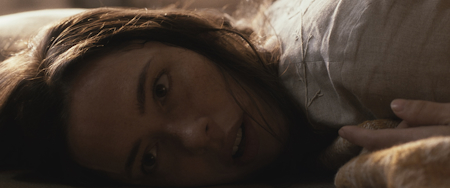
The Power of Silence: How Psychological Thrillers Speak Loudest When No One Talks In Death in the Soul, a father confesses to killing his son but refuses to explain why. His silence becomes more unsettling than any spoken justification, turning the absence of words into the film’s most powerful weapon. This deliberate quiet is not just a plot device; it is the emotional core that drives tension and forces the audience to listen more closely. In the world of psychological thrillers, silence is never empty, it carries guilt, fear, and the truths characters cannot face aloud. Silence in cinema can be more terrifying than a scream. When dialogue fades, every sound becomes amplified: footsteps, breathing, the ticking of a clock. These small noises draw the viewer into a heightened state of awareness, transforming ordinary moments into scenes of unbearable suspense. Directors who understand this rhythm of quiet and sound can shape an entire emotional experience without a single word. Alfred Hitchcock mastered this in moments like the shower scene in Psycho, where the absence of dialogue makes the horror more intimate and real. French psychological thrillers in particular have long embraced the language of silence. Films like Tell No One and Hidden use pauses, hesitations, and unspoken tension to blur the line between truth and deceit. The characters often say less than they mean, leaving the audience to fill in the gaps. This restrained storytelling reflects something deeply human: our tendency to hide what we cannot explain, to cover pain with stillness. It also mirrors the way guilt and fear isolate people, trapping them in their own internal prisons. |

|
In a world saturated with noise and fast dialogue, the modern thriller that dares to slow down feels almost rebellious. Denis Villeneuve’s early French-language film Polytechnique, for instance, uses silence to confront trauma without sensationalizing it. Each quiet frame lingers like a held breath, making the emotions resonate more strongly than any outburst could. Even international hits like Drive or The Night House rely heavily on moments of stillness, where the real story plays out behind the eyes of their characters rather than in the words they speak. Silence is not simply the absence of sound, it is the echo of everything unspoken. In the best psychological thrillers, it becomes the invisible thread that binds character and viewer, forcing both to confront what lies in the spaces between words. |
|
|
