|

|
The Psychology of Blame: 5 Films That Explore the Dangers of Collective Judgment
In Class Enemy, a tragedy at a Slovenian high school sets off a firestorm of accusations, protests, and emotional unrest. As students turn against their authoritarian teacher, the film masterfully dissects how grief can morph into blame and how a collective mindset, once ignited, can become dangerous. This theme, how communities direct anger at a perceived antagonist rather than confronting deeper truths, resonates across a number of powerful films. Here are five that explore the perilous terrain of collective judgment.
The Hunt (2012)
In a small Danish town, a kindergarten teacher’s life unravels when a child’s false accusation triggers mass hysteria. The community, once close-knit, turns on him with chilling speed, despite the lack of evidence. The Hunt is a haunting exploration of how easily trust can fracture and how a rush to judgment—fueled by emotion and social conformity—can destroy a man’s life. Mads Mikkelsen’s performance as the wrongly accused evokes the quiet despair of being ostracized for something you didn’t do.
The Crucible (1996)
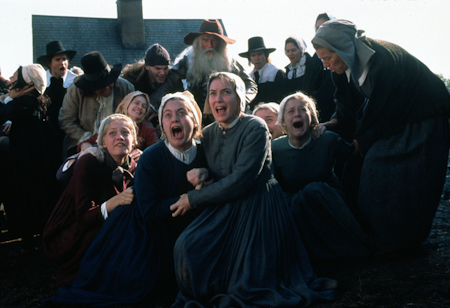
Adapted from Arthur Miller’s classic play, this historical drama revisits the infamous Salem witch trials. In a society driven by fear and repression, baseless accusations spiral into a frenzy of paranoia and scapegoating. The film captures how collective fear, combined with personal vendettas, can unleash a torrent of injustice. The terrifying efficiency with which neighbors turn on each other feels both ancient and alarmingly modern.
|