
|
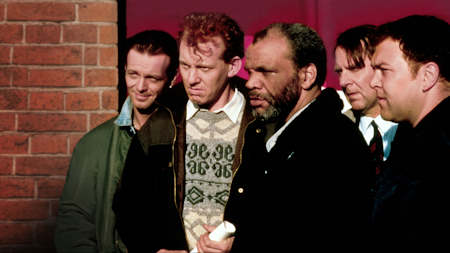
Why Audiences Love Comeback Stories: From Fallen Heroes To Unlikely Entertainers There’s something deeply satisfying about watching someone rise after a fall, and Men at Work 3 taps into that feeling with a story built on second chances, bold risks, and unexpected reinvention. Comeback stories have long held a special place in cinema because they mirror a universal truth. No matter how far someone falls, there is always a chance to rise again, often in ways no one sees coming. Audiences are naturally drawn to transformation. A fallen hero, a struggling worker, or even an overlooked outsider carries a sense of relatability that polished success stories often lack. These characters begin in places of failure, rejection, or obscurity, which makes their journey feel grounded and real. When they decide to fight back, whether through grit, humor, or sheer determination, it creates an emotional investment that is hard to ignore. Take Rocky, where an unknown boxer gets a once in a lifetime shot at the heavyweight champion. His story is not just about winning a fight, but about proving his worth to himself. Similarly, The Full Monty transforms a group of unemployed men into unlikely performers, using humor to explore pride, vulnerability, and dignity. Both films succeed because the comeback is not just external, but deeply personal. |

|
Another reason these stories resonate is the unpredictability of the journey. Comebacks rarely follow a straight path. In Slumdog Millionaire, a young man rises from poverty through a series of unlikely events tied to his past. Each step forward is shaped by hardship, making the outcome feel earned rather than convenient. This sense of unpredictability keeps audiences engaged, wondering how far the character can really go. Modern films have also expanded the idea of what a comeback looks like. It is no longer limited to athletes or traditional heroes. Stories now explore entertainers, everyday workers, and even people who stumble into unexpected opportunities. Magic Mike presents characters chasing ambition and identity in unconventional ways, blending spectacle with personal struggle. These narratives reflect a broader understanding of success, where reinvention can come from the most surprising places. At the heart of every comeback story lies a simple but powerful idea. Failure is not the end. It is a turning point. Whether it unfolds through laughter, struggle, or bold decisions, the journey back often reveals more about a character than their initial rise ever could. |
|
|