|
Cinema in the Soviet era
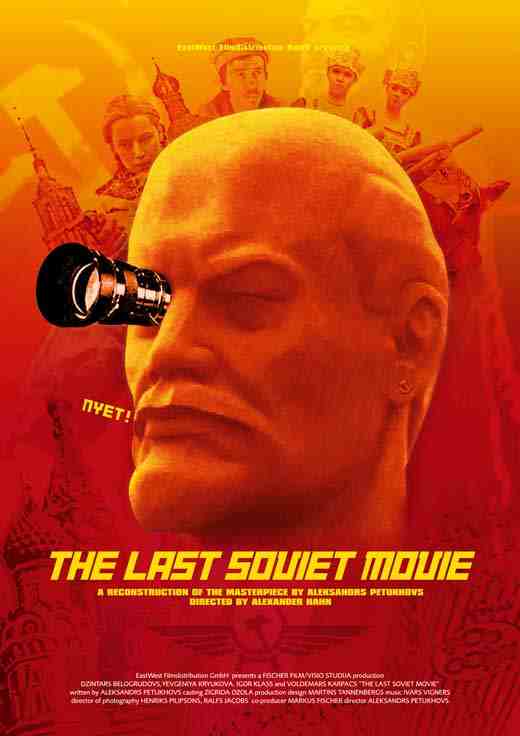
"Cinema for us is, of all the arts, the most important one", this Lenin’s saying that has been around the world embodies the exception that the Soviet regime reserved to this art. The Last Soviet Movie makes an ironic tribute to a cinema that no longer exists. A brief history on the subject can explain how, as controversial as it is, this film was for many years among the most important ones in Europe. In August 1919, the Russian Soviet regime nationalized the film production and its distribution. The effects were seen rapidly (from 11 films in 1921 to 157 in 1924). The first film school in the world was created in 1919 (the VGIK), and the film industry was benefited by the influence of many trends such as futurism or constructivism.
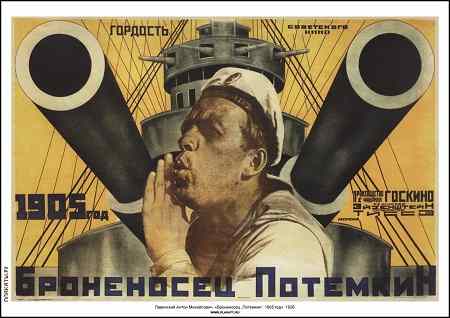
This state funded cinema, highly valued but also censored, became one of the most innovative of its time. In 1924, in the wake of Lenin's statement about cinema, Trotsky said: "When our villages have cinemas, we are ready to complete the construction of socialism." The Bolsheviks shared the idea that cinema can educate and cultivate the population, and serve as an propaganda instrument. At that time, big Soviet cinema stars were emerging and were internationally known, despite their subversive discourse. Among them were Sergei Eisenstein, Vsevolod Pudovkin and Alexander Dovzhenko, One of the films recognized in spite of its communist influences was the famous Potemkin Battleship (1925), still considered a masterpiece of world cinema. The arrival of the talking film led Soviet cinema to the development of a "socialist realism", representing a true and real hero with positive values. This doctrine is embodied in films, such as Vasilyev brothers’ Tchapaïev (1934), or the epic Alexander Nevsky (1938) by Eisenstein. The end of the Stalin era is marked by the "thaw" of Soviet cinema, which broke with the conformist Soviet realism, to become more authentic. The Perestroika period changed the scene, turned off the soviet influences and started a gradual privatization.
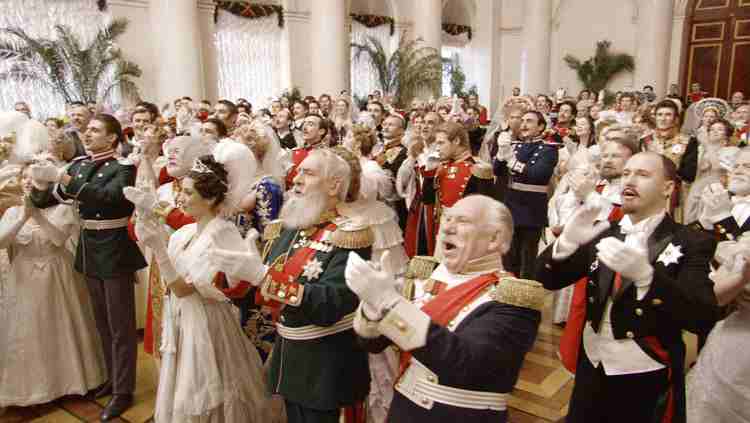
The fall of the USSR is a high point in the anthology of Soviet cinema. The production is drying up and only a few directors receive international recognition, including Andrei Mikhalkov Konchalovsky and his brother, Nikita Mikhalkov, Pavel Lungin (Taxi Blues, La Noce) and Alexander Sokurov (Russian Ark, awarded at Cannes in the section "A Certain Glance"). Also, the newly acquired freedom of speech in the 90's did not lead the Russian film to pull away from the conventional subjects the Soviet cinema was keen on. Now, the Russian cinema faces many challenges: budget cuts, production crisis and stiff competition from foreign productions. Nevertheless, seems to chart a course in the independent cinema, as evidenced by the vitality of film festivals in Moscow and St. Petersburg. |