|
From a Gangster Film to Film Noir – The Criminal Genre in Cinema
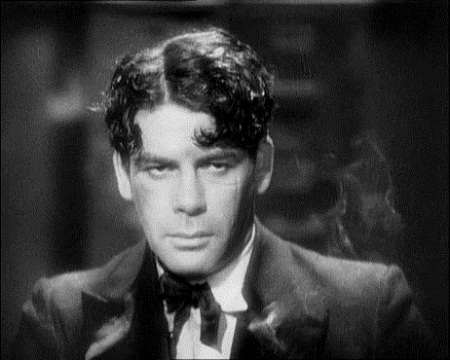
Underworld Trilogy is the original representation of the underworld in Northern Europe. We know Scarface, The Untouchables, Goodfellas... images fed by the American underworld, but what do we know about Northern Europe? To understand the specificity of this series along with the tradition in which it fits, we’ll make a little review of the classics. The first films of this genre, Coeur d'Apache (Griffith, 1912) and The Regeneration (Raoul Walsh, 1915) depict gangsters in the city, their natural environment. However, these films are melodramas with a happy ending. It was not until the 30's that a fundamental convention of the genre was established: one wants the gangster to be shot in the street at the end of the story. The principle was born in Chicago Nights (Sternberg, 1927) which also portrays several archetype figures: the brutal gang leader; his "chicken", pretty and vulgar; and the intellectual one who lends his talents to the gang, in who we recognize the young Vesa of Underworld Trilogy.
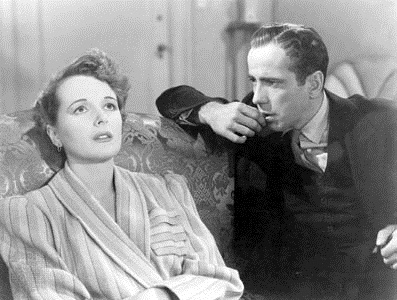
Scarface (1932), by Howard Hawks also establishes a pattern for the genre: the rise and fall, showing how the hero is carving an empire in the underworld before he dies victim of his triumph. This film and those that follow are based on Al Capone, and it is interesting to note that they put in the spotlight a typical American while going astray: the entrepreneurial spirit, the will to reach the top. The gangster then appears as a caricature of a grinning double "American dream". Scarface ends with an image of a bitter irony, that of Tony Camonte lying dead under a sign saying "the world belongs to him." The term "Film Noir" appears in the writings of French critics who suddenly found out that after the war the U.S. production was blocked during the 40s. Models of the genre are The Maltese Falcon (John Huston, 1941) and The Big Sleep (Howard Hawks, 1946). Humphrey Bogart portrays the mythical figure of a private detective. Either a gangster or a police officer, the "private" is an ambiguous character, both moral and cynical disgusted by what he witnesses, but at the same time using not very Catholic methods. In Film Noir, good and evil are arranged randomly. In addition, the narrative often represents a subjective point of view.
In addition, criminal films are mostly set in a major American city like Chicago or New York. The visual world is dark, decadent and filled with urban poetry. Countless are the scenes set at night in the deserted streets to the damp pavement, by the uncertain light of a street lamp, where cars drive slowly and disturbing figures in coats and fedoras appear. These two features, the ambivalence of good and evil and the dark urban atmosphere, are found in Underworld Trilogy. The visual beauty of Underworld Trilogy comes from both the urban setting, typical of cities in Northern Europe and the desolate landscapes of lakes and forests that cover Finland. |