|
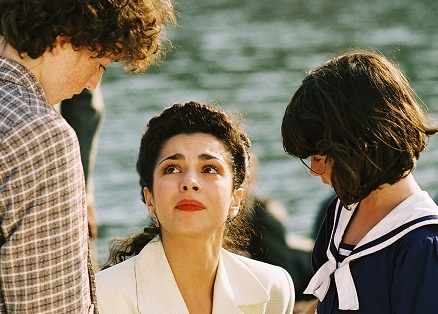
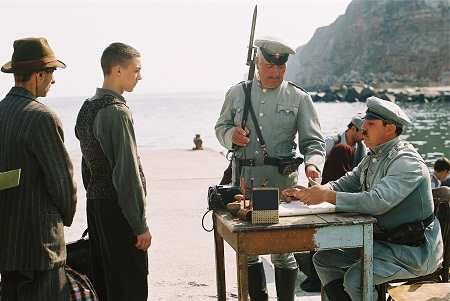
Journey to Jerusalem - Ivan Nichev : The rescue of Jewish children during World War II
Sofia in early 1940, two German Jewish children find themselves suddenly left on their own. Their uncle has just died, so they try to escape occupied Europe to reach Palestine. The moving story of Journey to Jerusalem is basically the one we all know about thousands of Jews during the war, when escaping occupied Europe became a necessity. The possibilities for leakage were thin, between the neutral regions of Europe (Switzerland, Norway, and Portugal) which offered a hope of survival, and Palestine or the United States, which weren’t easily accessible. In the torment of the war, Jewish and non Jewish organizations became aware of the urgency to hide Jewish children orphaned as a result of the deportation of their parents, and set out specific actions. Among these, The Aliyah Youth Movement was created to send young people to Palestine. They managed to send away more than 14,000 children to Palestine and England. The movement of Save the Children, an English organization, planned the escape of 10,000 refugee children from Central Europe to Great Britain between 1938 and 1939, during the operation "Kindertransport". In France, the networks was formed under the initiative of the Committee on Rue Amelot, Jewish Scouts, solidarity groups close to Jewish communists, or L’Oeuvre de Secours à l’Enfance (OSE). In reaching hidden children, get them out of internment camps and organize their illegal escape to Switzerland and Portugal, 12,000 to 15,000 Jewish children were saved from deportation in France.
These efforts would have had a limited effect if they had been supported throughout Europe by individuals. Ivan Nichev’s film reveals an element not addressed by the film about the Holocaust, namely the compassion of the Bulgarians towards their fellow Jews. Bulgaria and Denmark were the only European countries allied with Nazi Germany, whose Jewish population was not deported. The indignation of the Bulgarian people managed to definitely bend Tsar Boris who opposed extermination companies of the Reich. After the war, thousands of displaced children were found hidden in non-Jewish families by their parents or at specialized institutions. The few survivors searched all over Europe for missing children. These orphans of the Holocaust experienced very different fates: some were sent to Canada and the United States. Others, led by the Zionist movement, immigrated to the Yishuv, the Jewish population in Palestine and in Israel after its creation in 1948. Still others could be found in France, in "Houses of Hope" which procured them an education and a future. |