 |
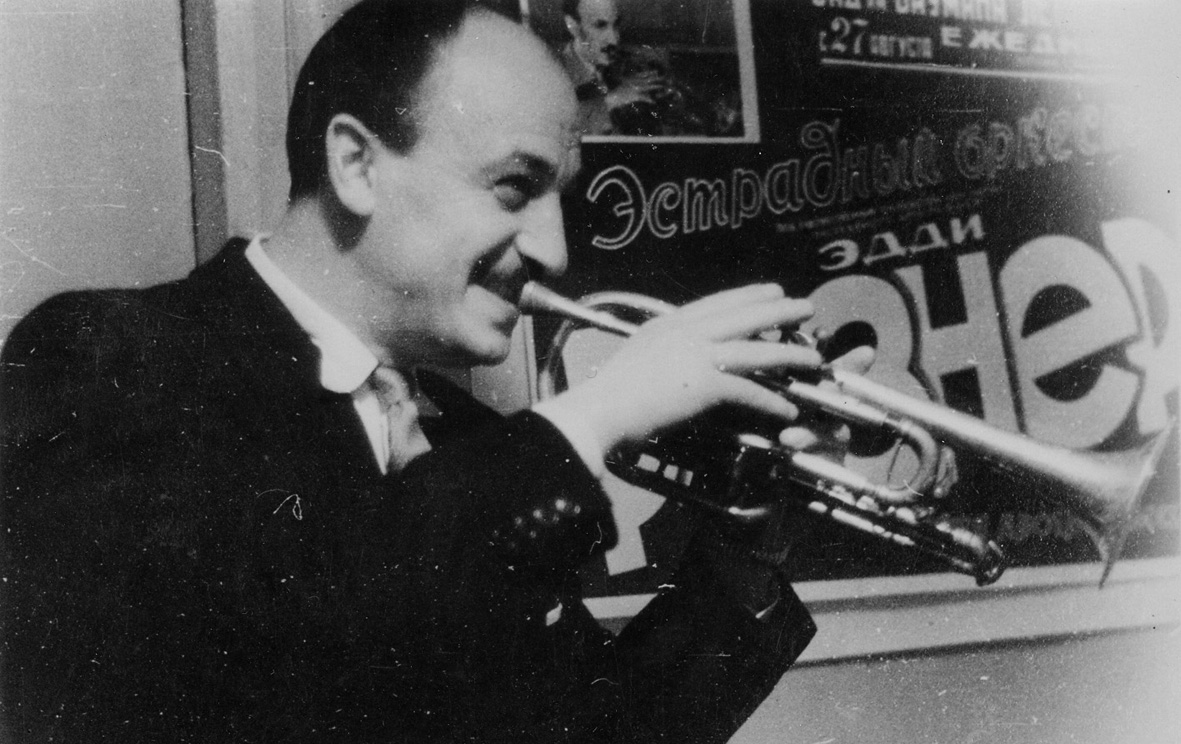
The Jazzman from the Gulag
France
Director: Pierre-Henry Salfati
The Jazzman from the Gulag deals with the extraordinary life of Eddie Rosner, the first jazz musician of the Communist world, child prodigy, and one of the youngest trumpet players in Europe during the twenties. He was the man whom Louie Armstrong himself nicknamed the "White Armstrong." It is also about the man who was persecuted by the Nazis as a degenerate musician, whom Stalin consecrated as a State Musician before banishing him to the Gulag, and who was like the wandering Jew moving through the history of jazz from Europe to the Soviet Empire.
Rosner experienced it all: fame, exile, horror, genius and poverty. For the first time, this documentary sets out to retrace, through a multitude of rare documents, film archives and invaluable accounts from Rosner's contemporaries, the fascinating, moving and glorious adventures of this legendary figure, an extraordinary, endearing, generous man, who had everything and lost everything —except for his deep love of jazz.
Airing Times
|
 |
Mademoiselle Bessy (2002)
France
Director: Nicolas RibowskiSy
Claude Bessy, "danseuse étoile," then director of the Paris Opera Ballet School for the past 30 years, entered the world of dance at the age of 10--and has remained there ever since. She has danced everything, experienced everything, the pleasures and pains of a life in art. Her career is unique. The Palais Garnier is her real home. By revisiting the various locations of the opera house - the main staircase, the stage, the wings, the flies, the rehearsal rooms, the Zambeli and Lifar rotundas, and the roofs, Claude Bessy talks about her memories, dreams, sorrows, regrets and secrets.
Airing Times
Erik Satie, Son of the Stars (Erik Satie, Fils des Etoiles, 1999)
France
Director: Anne Imbert
Director Anne Imbert proposes a poetic journey into the world of visionary composer Alfred Eric Leslie Satie. Born on May 17th 1866 at Honfleur (Calvados) of a Norman father and a Scottish mother, he began his musical studies as an organist, first with Guilmant and then at the Paris Conservatory with Lavignac. Encouraged by his harmony professor, he began studying pianoforte and composition, but in 1886, after eight fruitless years and intolerant of academic rules, he decided to leave the conservatory and enlisted in the 66th Infantry regiment at Arras. A year later he deliberately caught bronchitis and was declared unfit for military service. He promptly changed his name to Erik - in honor of his mother - and published Valse-Ballet, his first work.
Airing Times
|
 |
Waltz Diaries: Vienna, Paris, Lima (2003)
France
Director: Patricia Plattner
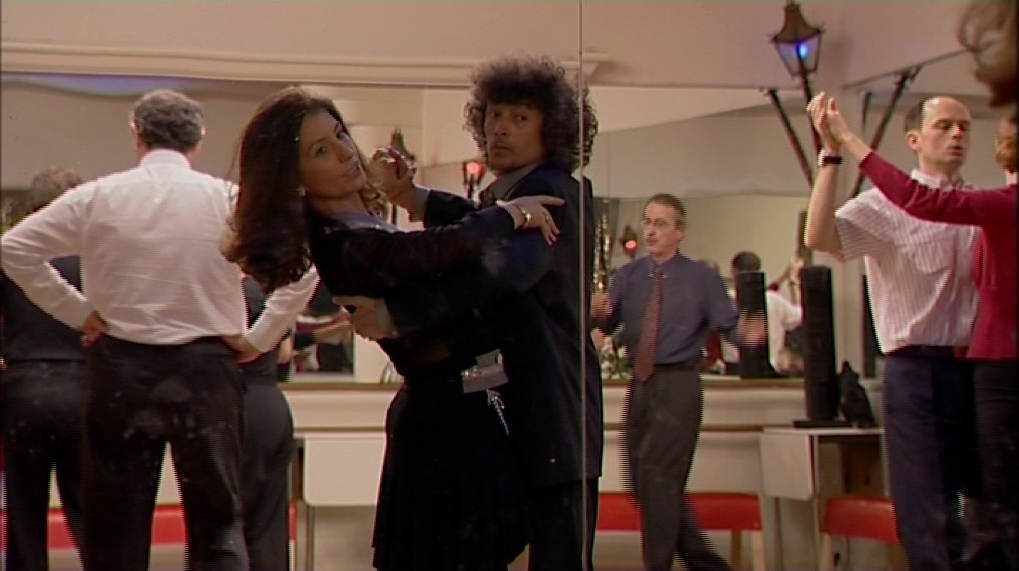
Imagine the Waltz as a revolution. Historically, it was the first dance having couples clasping each other, men and women hugging, whirling to the rhythm of its music to the point of giddiness and rapture. A dance with a triple time rhythm both simple and complex, enthralling the most diverse societies and a source of unfailing interest. The greatest composers were inspired by it. Who has never heard of Johann Strauss 'The Beautiful Blue Danube or Brahms' and Chopin's waltzes? It has fed the imagination of writers and later on, of film-makers. The waltz is a gift to all citizens of the world, whether accompanied by the accordion as in France, the nobility of Vienna or the gentle singing of Peru. For more than a century and a half, it has thrilled millions of people from all ages all over the world. The waltz can take many forms; a gentle love song, a swaying rhythm, veteran singers swaying to the sounds of a guitar and cajon, or sung in unison with the whole audience. The waltz will always be our heroine.
|