
|
10 Italian films you shouldn’t miss Birthplace of arts across the centuries, Italy has a long and rich history of producing some of the world's most celebrated films. The wide range of genres and movements is testimony to the vast array of talent exhibited by Italian directors. Here is a list of Italian must-watch films. |
|
|
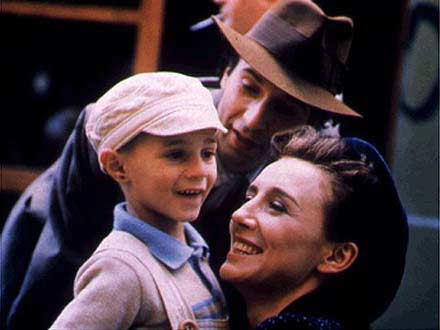
Life is Beautiful Received by many critics as a masterpiece and winner of a Golden Palm at Cannes and three Academy Awards (Best Actor, Best Score and Best Foreign Language Film), this movie starring Roberto Benigni relays the tale of a Jewish man living in Italy in the 1930s. In the story, Guido is a Jewish dreamer who moves to the city to begin a new life. On the way he meets Dora, a compromised woman descended from a multimillionaire family. They soon become a couple, before having a son and the family lives together in utter happiness until German forces arrive to occupy Italy. Sent to a Jewish Concentration Camp, Guido uses his wise life outlook to help his son survive the horrors of the war by imagining that the Holocaust and the concentration camp is a game. |
|
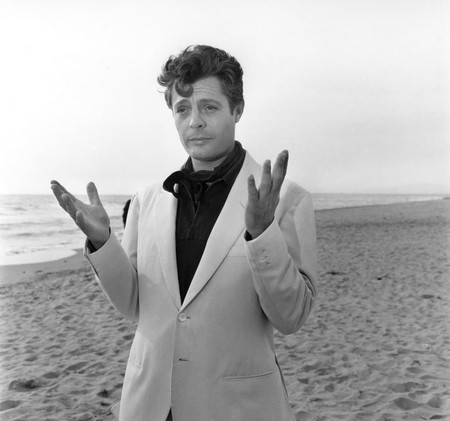
La Dolce Vita A masterpiece by Federico Fellini, La Dolce Vita stars Marcello Mastroianni as a playboy journalist spending his life surrounded by celebrities and society’s elite. He pursues a gorgeous actress and is totally charmed by her feminine guile. Fellini had a unique gift for abstract symbolism which shaped his later movies. La Dolce Vita gifts a chronicle of a decadent society where there are no values except alcohol and the pursuit of sex, no solution to the debauchery but suicide. The film won a Golden Palm at the 1960 Cannes Film Festival and an Academy Award for Best Costumes. |
|
|
|
Rome, Open City Roberto Rossellini's landmark film portrays the struggle of Rome's citizens during the final days of World War II. The movie was actually filmed on location using several non-actors and tells a poignant story of publishers, priests and pregnant women gathering together during tragedy, uniting in resistance of a common enemy: the Nazi invasion. The film won several awards at various film festivals, including the most prestigious Cannes' Grand Prize and was also nominated for an Academy Award for Best Adapted Screenplay. |

|
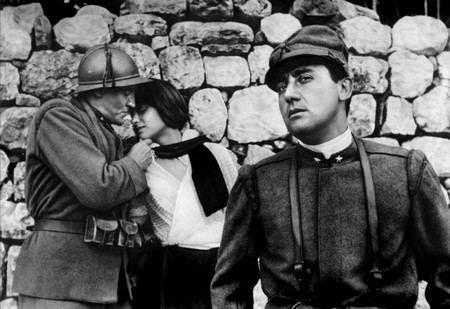
The Great War Directed by Mario Monicelli, The Great War is an Italian film depicting an odd couple of army partners during World War I. The movie adroitly tackles the horrors and grimness of trench warfare via a darkly comedic perspective. The Great War won the Golden Lion at the Venice Film Festival and was an Academy Award nominee as Best Foreign Film. |
 |
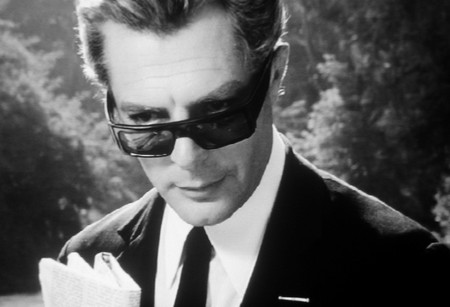 |
8 ½ Directed by Federico Fellini’s 8 ½, is a comedy-drama about a director struggling through his newest film. Winner of two Oscars, in this autobiographical story, Fellini navigates the ups and downs of filmmaking through the character of Guido. Its title refers to Fellini's eighth and a half films as a director. His previous directorial work consisted of six features, two short segments, and collaboration with another director. 8½ won two Academy Awards for Best Foreign Language Film and Best Costume Design. |
|
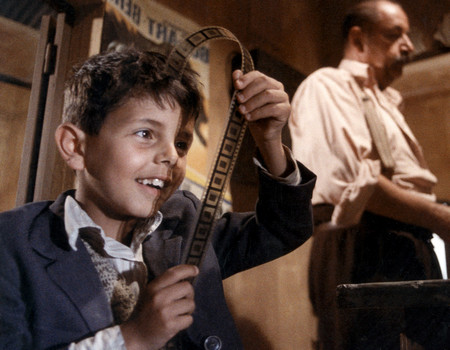
Cinema Paradiso Directed by Giuseppe Tornatore, this charming movie tells the story of a film director, who remembers his childhood, when he worked as an apprentice to the projectionist at the local theater. Told through a series of flashbacks, Salvatore, the protagonist, realizes why he left his small village but longs for the old movie house and pines for his lost love. Cinema Paradiso won the Academy Award for Best Foreign Film in 1989. |
|
|
|
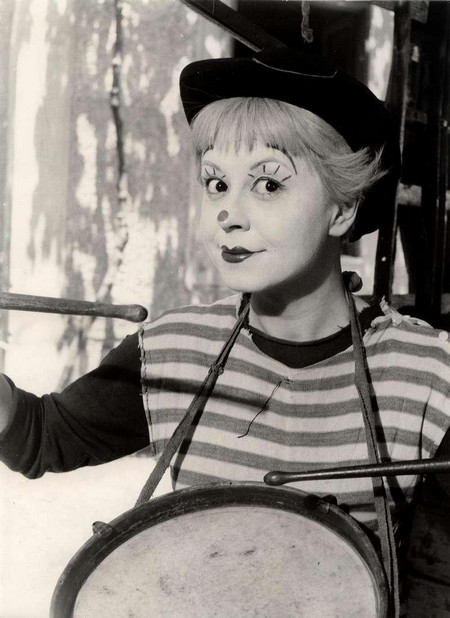
La Strada Winner of an Academy Award for Best Foreign Language Film, La Strada (The Road) is an Italian neo-realist drama directed by Federico Fellini. The movie tells the story of a poor girl sold by her mother to a traveling street artist. Gelsomina, the daughter, suffers abuse at the hands of Zampanò while serving as a clown for his street performances. She soon meets Il Matto (The fool), who confuses her by suggesting that perhaps Zampanò mistreats her because he loves her. |
|
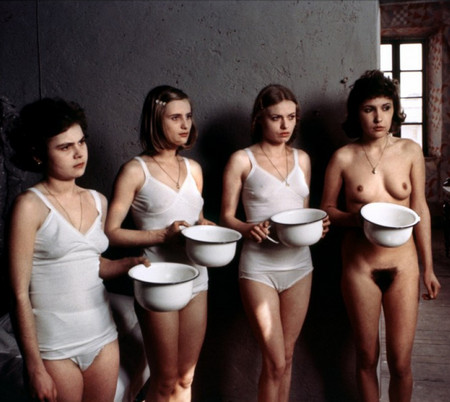
Salo, or the 120 days of Sodom Probably the most controversial film ever made in Italy, Salo, or the 120 days of Sodom is a movie written and directed by the equally polemic Pier Paolo Pasolini. Based on the book The 120 Days of Sodom, by the Marquis de Sade, the story is divided in four segments, inspired by Dante's Inferno: the Anteinferno, the Circle of Manias, the Circle of Shit and the Circle of Blood. Because of its scenes depicting intensely graphic violence, sadism and sexual depravity, the film was extremely controversial upon its release, and remains banned in several countries. It was Pasolini's last film; he was murdered shortly before Salò was released. |
 |
|
The Tree of Wooden Clogs. Directed by Ermanno Olmi, the film portrays life for a Lombard peasant life in a farmhouse in the late 19th century. Drawing similarities with the earlier Italian neorealist movement, it also focuses on the lives of the poor. The Tree of Wooden Clogs won fourteen awards including a Golden Palm at Cannes and a César Award for Best Foreign Film |