|
|
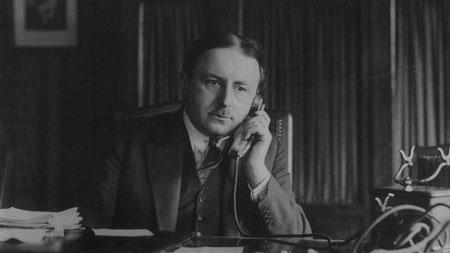
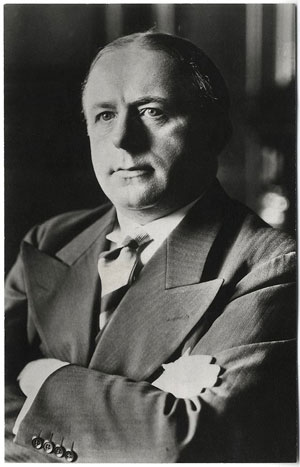
Roger Salengro: A Workers’ Martyr His name is not popular in the pantheon of modern martyrs in a society that today admires entertainers more than politicians. However, most of the rights we all are entitled today as workers are a product of his policies and vision to make this a fairer world for all. Roger Salengro was a man devoted to social causes from the beginning. He spent his childhood in Dunkirk, in northern France, and then moved to Lille to study literature at the University of Lille. There, he started his career in social movements as he joined the French Section of the Workers' International, a socialist party, and founded a left-wing students' organization. During his military service in 1912, he committed acts of rebellion against the law of the Three Years, and was listed in “Carnet B,” a document with the names of espionage suspects during the Third French Republic. Salengro enrolled in the French Army again during the First World War and was captured by the German forces for three years after he attempted to recover the body of a friend after a battle. After his release, his poor condition was evident, as his weight was only 42 kg. After the war, Roger Salengro became a journalist and returned to political activism. His eager manners and political views led him to become elected municipal councilor in Lille, and general councilor of the Lille-Sud-Ouest canton. In 1925, Salengro was elected mayor of Lille. He was re-elected in 1929 after the resignation of Alexandre Bracke-Desrousseaux, and held the position again in 1935. |
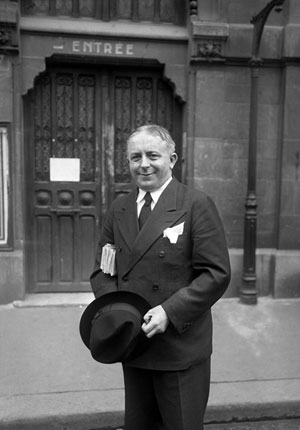
His political career was boosted in 1936 when the president, Léon Blum, appointed him Minister of the Interior. During these years with the Popular Front, a socialist party leading the country, many social reforms were enacted to ease the lives of the poor in France. One of the major reforms, and maybe Salengro’s greatest legacy to France and the world, was the signing of the Matignon Agreements. The document was created after a massively followed general strike after the election of the Popular Front in May 1936, and it is considered the “Magna Carta of French Labor.” In the agreement, workers were given, among other things, the legal right to strike, the removal of all obstacles to union organization, a blanket 7-12 percent wage increase for all workers, and paid vacations. In the middle of the changes of the Blum government, some led by Roger Salengro, the latter was subject to a defamation campaign organized by far-right figures and politicians after his actions against the “liges,” which were extreme right movements linked with fascism. The campaign against Salengro began on July 14, 1936, with the publication of an article in the right-wing paper L'Action française in which the Minister was accused of the worst crime during those days: desertion in World War I. Soon after, the allegations were replicated by other newspapers on the extreme right such as Gringoire, and politicians like Henri Becquart led a defamation crusade that also included accusations of homosexuality. All the accusations were denied by Salengro himself, President Léon Blum, and the Army, with documents that proved that instead of having deserted, he was held captive by the Germans. Tired of the campaign against him, Roger Salengro committed suicide on November 18, 1936, in his Lille apartment, leaving two copies of Gringoire newspaper and two letters in which he wrote, “if they have not managed to dishonor me, at least they will be responsible for my death.” After the emotions aroused by his death, on December 18 a law was promulgated to aggravate the penalties for defamation through the press. |
|
|