|
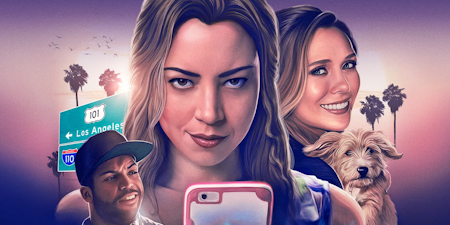
The Dark Side of the Selfie: How Social Media Shapes the Way We See Ourselves In Likemeback, a seemingly carefree summer trip becomes a quiet descent into the blurred lines between self-image and self-deception, revealing how the digital gaze can distort even our most intimate relationships. The film captures the uneasy beauty of a generation raised in constant visibility, where every smile, pose, and moment is filtered through a camera lens. It serves as a haunting reminder that in the age of the selfie, the line between who we are and who we want to appear to be grows thinner with every post. Social media has reshaped identity into performance. What once existed as a private, evolving sense of self is now curated, edited, and broadcast to an invisible audience. The selfie, once an innocent expression of confidence, has become a symbol of self-surveillance. We’ve learned to stage authenticity, to appear spontaneous and effortless while calculating how every image will be received. Films like Ingrid Goes West and Eighth Grade explore this obsession with digital validation, showing how likes and followers can feel like currency, yet leave behind emotional bankruptcy. The fascination lies in how easily people mistake visibility for connection. The digital world promises intimacy but often delivers comparison and insecurity. Movies such as The Bling Ring and The Social Dilemma have dissected this illusion, exposing the addictive feedback loop of admiration and envy that fuels social media culture. These stories reflect a truth that feels increasingly universal: when everyone is performing, no one is entirely seen. |

|
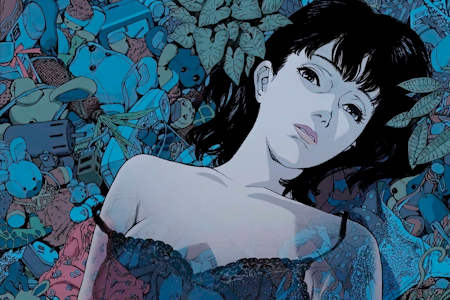
Cinematic portrayals of online life often highlight the loneliness beneath the glow of screens. Mainstream, for example, turns internet celebrity into a cautionary spectacle, where self-worth is measured in clicks. Similarly, Perfect Blue, long before Instagram existed, captured the psychological toll of constructing multiple versions of oneself to satisfy an audience. What these films share is a growing unease with the cost of being perpetually visible. Social media has given rise to a paradoxical kind of freedom. We can be anyone we want, yet we are constantly judged for it. Every selfie is both declaration and confession, revealing our desire to be admired while concealing our fear of being forgotten. Cinema has become a mirror to this cultural tension, showing how technology amplifies our longing for approval and our terror of irrelevance. What remains unsettling is that even when the screens go dark, the gaze lingers, shaping how we see others and, more importantly, how we see ourselves. |
|
|