|
|
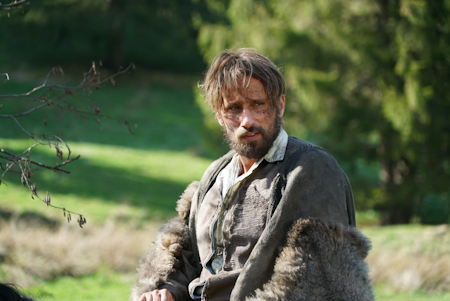
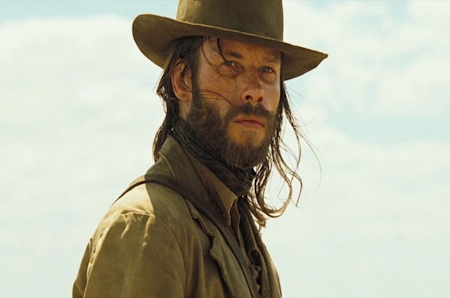
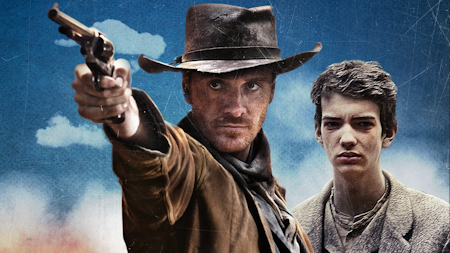
Western Meets Europe: How Filmmakers Are Reinventing the Classic Western in New Settings The Western genre has long been associated with the vast landscapes of the American frontier, where lawlessness, greed, and survival define the human experience. But in Gold Lust, director Ibai Abad takes these familiar themes and transplants them into 19th-century rural Spain, proving that the essence of the Western isn’t bound by geography. With its tale of economic exploitation, a fierce battle for justice, and the creeping forces of modernization, the film breathes new life into classic Western tropes while grounding them in a uniquely European setting. This inventive approach is part of a growing trend in cinema—filmmakers reimagining the Western by setting it in unexpected places. One of the most striking examples of this reinvention is The Proposition (2005), an Australian Western that swaps the deserts of the American Southwest for the harsh outback. Its themes of lawlessness and retribution mirror those of classic Westerns, but the unforgiving Australian landscape adds a distinct cultural and historical backdrop. Similarly, Slow West (2015) embraces the Western’s aesthetic but filters it through a European perspective, following a young Scottish aristocrat on his journey through a dangerous American frontier. In recent years, filmmakers have pushed the boundaries even further. The Nightingale (2018) uses the Western’s structure to tell a brutal revenge story set in colonial Tasmania, where the battle for justice unfolds against a backdrop of British imperialism. Meanwhile, Let the Corpses Tan (2017) takes the genre into the Mediterranean, blending Western iconography with neo-noir and surrealist visuals. |
|
Even beyond film, the genre’s influence has reached television, literature, and video games, proving its adaptability. Shows like Godless (2017) and Django (2023) bring the Western into new cultural contexts, while games like Red Dead Redemption 2 showcase how the genre’s themes resonate with modern audiences. This global reinterpretation keeps the Western relevant, as storytellers use it to explore new frontiers—both literal and metaphorical. These films prove that the Western is more than just cowboys and sheriffs—it’s a storytelling framework that can be adapted to different landscapes, cultures, and historical moments. Whether set in the Australian outback, the windswept coast of Ireland, or a sunbaked Spanish village, the genre’s core themes—power, justice, and survival—remain universal. By shifting the Western beyond its traditional setting, filmmakers are not only paying homage to a beloved genre but also ensuring its continued evolution in modern cinema. |
|
|