
|
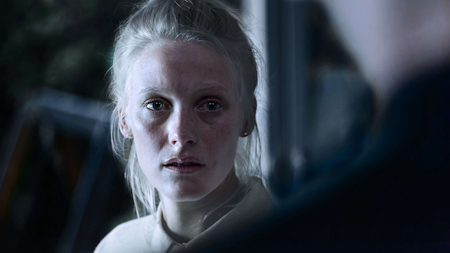
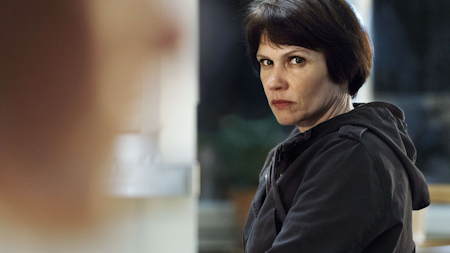
Why Nordic Psychological Thrillers Keep You on Edge Without Explosions Sometimes the quietest stories deliver the biggest jolts. In The Wrong Turn, the pressure of one impulsive act, the rush to the hospital and a hit-and-run that is never confronted, sets the stage for a psychological unraveling in a subdued, chilling setting. That subdued tone is exactly why Nordic psychological thrillers have a grip on our nerves even without explosions or high-speed chases. These films rely on atmosphere and character rather than spectacle. The Nordic backdrop of sparse landscapes, muted interiors, and cold light becomes more than a setting; it is a mood that permeates every scene. A snow-covered road, a dimly lit apartment, or an empty corridor can generate more tension than any car chase. The slow unfolding of events allows viewers to inhabit the characters’ anxieties and anticipate consequences that linger in the mind long after the scene ends. What makes the genre compelling is its focus on moral complexity. Protagonists are rarely flawless; they are ordinary people burdened by secrets, regrets, or difficult choices. Suspense grows from internal conflict rather than external threats. A hidden guilt, an unresolved lie, or a relationship built on deception can be just as threatening as a villain with a weapon. This subtle psychological tension keeps viewers engaged by making them question what they would do in similar circumstances. |
|
Nordic thrillers also explore social and emotional undercurrents. Beneath societies known for calm order and fairness, these stories reveal isolation, mistrust, and human vulnerability. A small act, like a mistake or a fleeting decision, can ripple through personal relationships and transform everyday life into a minefield of suspicion and unease. Ordinary spaces such as homes, workplaces, or hospitals become charged with meaning, emphasizing that danger can exist in places considered safe. The pacing and restraint in these films create a unique tension. Long silences, understated performances, and minimal dialogue allow the audience to feel the characters’ inner turmoil. Every glance, every hesitation, and every decision carries weight. Viewers are drawn into the psychological web, sensing the threat of exposure and the consequences of secrets long before they are revealed. The lingering effect of Nordic psychological thrillers is their ability to haunt the mind. They demonstrate that suspense does not require spectacle; the human psyche, hidden motives, and moral ambiguity provide more than enough tension. By examining guilt, secrecy, and personal responsibility in quiet, measured ways, these films keep audiences on edge, proving that sometimes the scariest stories are the ones told in whispers rather than explosions. |
|
|