
|
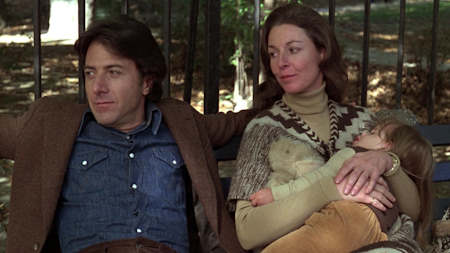
Why Stories About Failing Marriages Fascinate Modern Audiences Stories about failing marriages continue to captivate audiences because they reflect the messy, complicated realities of love and commitment. Wild Heart embodies this theme, exploring a couple struggling to reignite the passion in their relationship while confronting temptation and emotional distance. By blending humor, tension, and emotional depth, the film taps into a fascination viewers have with watching intimate relationships unravel and the personal growth that often follows. Part of the allure lies in the combination of drama and relatability. In Kramer vs Kramer, the emotional battle over custody highlights how love and responsibility can collide, showing that the end of a marriage affects everyone involved, not just the couple. The raw vulnerability of the characters draws viewers in, making them reflect on their own experiences with change, loss, and reconciliation. Similarly, Scenes from the Italian film A Bigger Splash explore the tension between stability and desire, with a couple’s retreat disrupted by unexpected temptation, creating emotional and moral conflict that resonates with audiences drawn to stories of attraction and betrayal. Audiences are also intrigued by the psychological complexity that failing marriages reveal. In Hope Springs, a long-married couple confront decades of unresolved frustration, miscommunication, and lost intimacy. The film balances humor with heartfelt reflection, showing how rediscovering connection often requires confronting uncomfortable truths. Likewise, In the Mood for Love, a Hong Kong classic, explores longing and restraint, following two people who form a quiet bond as they navigate infidelity and emotional isolation. The tension between unspoken desires and moral boundaries keeps viewers emotionally invested, illustrating the subtle ways marriages can fray. |

|
Cultural fascination with relationship breakdowns often intersects with storytelling about identity and personal evolution. The Japanese film Like Father, Like Son examines family expectations and marital strain, revealing how societal pressures can intensify personal conflicts. Marriage narratives like these provide insight into human behavior, showing how love can endure, transform, or crumble under external and internal pressures. Modern audiences are drawn to the exploration of these pressures because they mirror the challenges faced in contemporary relationships, where expectations and reality rarely align perfectly. Ultimately, films about failing marriages captivate because they combine emotional honesty, moral complexity, and human vulnerability. They allow viewers to witness both the fragility and resilience of love, offering perspectives on desire, commitment, and personal growth. By delving into the intricate dynamics of relationships under strain, these stories resonate on a universal level, inviting reflection on the joys and perils of intimacy and connection. |
|
|
